
Healing Through Neuroplasticity: My Journey to Resilience
Join me as I share my journey of overcoming trauma, using the brain’s natural ability to adapt and heal
Dr. D. Dor
12/14/20253 min read
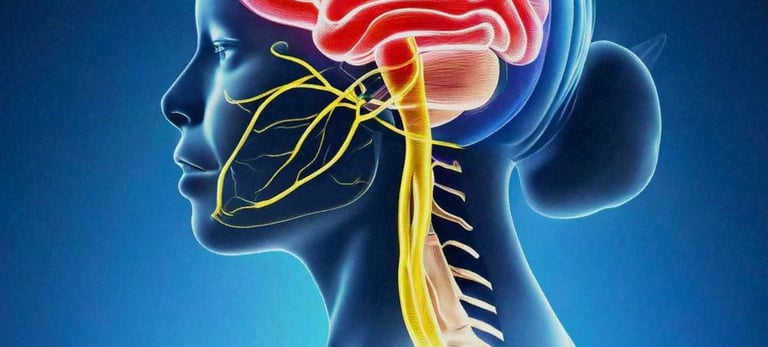
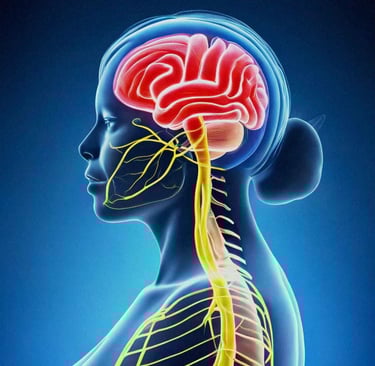
As I continue my journey of healing and growth, I’ve come to appreciate the incredible power of neuroplasticity not just as a clinical concept, but as a deeply personal tool for transformation. When I first learned that the brain has the ability to change its structure and function, it felt like a profound moment of liberation. The understanding that I could literally rewire my mind to overcome the long-standing effects of childhood and adult trauma gave me hope and a sense of control over my life that I had never felt before. It was, in many ways, my freedom day.
Understanding Neuroplasticity as a Path to Healing
Neuroplasticity, simply put, is the brain's remarkable ability to form new connections and pathways, adapting in response to experiences, thoughts, and behaviors. This concept shattered the outdated belief that once the brain reached adulthood, it became fixed and unchangeable. Today, research confirms that our brains remain plastic throughout our lives, capable of reshaping themselves based on how we choose to think, act, and respond to our environment (Doidge, 2007).
For someone like me, who has carried the weight of complex trauma and Adverse Childhood Experiences (ACEs), this discovery felt like a personal revolution. It meant that I wasn’t doomed to repeat the past, that my brain could heal just like any other part of my body, and that I could reclaim my mind from the painful imprints of early life stress.
How I Use the I PROFESS Model to Support Brain Change
My I PROFESS Model has been a critical part of this journey, providing a structured approach to fostering the mental and emotional flexibility needed for lasting change. Here’s how I’ve used each aspect of the model to support my neuroplasticity journey:
Intellectual: I actively seek out new knowledge and challenge old, limiting beliefs. Learning about neuroplasticity itself was a major turning point, reshaping my understanding of my brain’s potential for recovery.
Physical: Regular physical exercise has been a game changer. Research shows that exercise not only improves physical health but also promotes neurogenesis the birth of new neurons particularly in the hippocampus, a brain region often impacted by trauma (Erickson et al., 2011).
Relational: I have worked to develop healthier relationships, focusing on secure attachments that counter the insecure patterns of my past.
Occupational: My work as a psychotherapist allows me to stay mentally active and engaged, constantly learning and applying new therapeutic techniques.
Financial: Creating financial stability has been a critical part of my healing journey, reducing the chronic stress that can keep the brain in a hypervigilant state.
Emotional: I practice emotional regulation, which has helped me manage the intense feelings that once kept me stuck in survival mode.
Social: I choose to surround myself with positive, supportive people who reinforce my growth.
Spiritual: My spiritual journey, grounded in my connection to the Creator, has given me a sense of purpose and meaning, critical for overcoming the existential crises that trauma often triggers.
Rewiring for Resilience
Every time I chose to think differently, challenge an old belief, or respond in a healthier way, I was literally reshaping my brain. This process, known as “synaptic pruning,” allows the brain to discard old, unhelpful pathways and strengthen new, healthier ones. Over time, this has helped me transition from merely surviving to truly thriving.
Practical Steps for Others
If you are on a similar journey, here are a few practical steps to support your own neuroplasticity:
Practice Mindfulness and Meditation: These techniques help calm the brain, reduce stress, and promote the formation of new, healthy neural pathways.
Challenge Negative Self-Talk: Replace old, self-defeating thoughts with affirming, positive ones.
Engage in Continuous Learning: Your brain thrives on new challenges and novel experiences.
Seek Safe and Supportive Connections: Healthy relationships are a powerful force for healing the brain.
Prioritize Self-Care: Exercise, nutrition, and rest are foundational to brain health.
Moving Forward
The power of neuroplasticity means that no matter what you’ve been through, your brain can heal, grow, and adapt. With each intentional choice you make, you are literally rewiring your mind for resilience, health, and a better future.
I’m still on this journey, but I can say without hesitation that understanding neuroplasticity and incorporating the I PROFESS Model into my daily life has been one of the most empowering aspects of my recovery.
If you’ve been inspired by this post, I encourage you to join me in continuing to reshape our minds and rewrite our narratives for a brighter tomorrow. Contact us: 972-709-1180 Register for a Workshop or Group ;